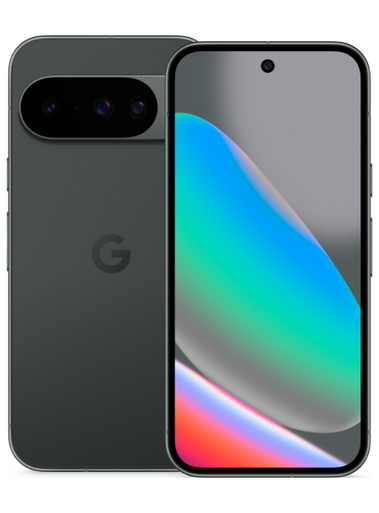
The Impact of Mobile Design on User Experience: Key Principles to Follow
The impact of mobile design on user experience is profound, as more users access the web through their smartphones than ever before. A well-optimized mobile design ensures that your website not only looks good but also functions seamlessly on smaller screens. Key principles to follow include responsive design, which allows your website to adjust its layout according to the device used. Additionally, maintaining fast loading times is crucial, as delays can lead to higher bounce rates. In fact, studies show that 53% of mobile site visitors abandon pages that take longer than three seconds to load.
Another essential principle is intuitive navigation. Mobile users should be able to find what they need with minimal effort; therefore, a simple menu structure and easily accessible buttons are vital. Incorporate larger touch targets to accommodate finger taps, and consider implementing prominent call-to-action buttons that guide users through their journey. By focusing on these elements, businesses can significantly enhance the overall user experience, fostering higher engagement and conversions in the mobile space.
How Small Screen Innovations Drive Big Business Changes
In today's digital landscape, small screen innovations such as mobile apps and responsive web designs are transforming how businesses operate. These technologies allow companies to enhance user experience and reach customers more effectively. For instance, the surge in mobile commerce has encouraged retailers to optimize their online platforms for smaller devices, leading to significant shifts in marketing strategies. A report from Statista indicated that over 50% of online shopping is done via mobile devices, showcasing the need for businesses to adapt quickly to these changes.
Furthermore, small screen innovations are not just about convenience; they also drive major business changes in productivity and employee engagement. With tools like mobile project management apps and communication platforms tailored for smartphones, organizations can foster a culture of collaboration regardless of physical location. As small screen technology continues to evolve, businesses must leverage these innovations to stay competitive in their industries and further enhance their operational efficiency. The ability to adapt to small screen trends is becoming increasingly essential for long-term success.
What are the Biggest Challenges in Mobile App Development Today?
As the mobile app development landscape evolves, developers face several significant challenges. One of the most prominent hurdles is fragmentation of mobile operating systems and devices. With numerous versions of iOS and Android, along with varying screen sizes and hardware capabilities, creating an app that provides a consistent experience across all platforms is increasingly complex. This fragmentation demands developers to invest additional time and resources in testing and optimization, which can slow down the overall development process.
Another major challenge is ensuring security and data privacy in mobile apps. With rising concerns over data breaches and user privacy, developers must implement robust security measures while also complying with regulations like GDPR and CCPA. Balancing user experience with stringent security protocols can be daunting, as overly strict measures may deter users. Therefore, developers need to stay updated on the latest security practices and integrate them seamlessly into their app development lifecycle.