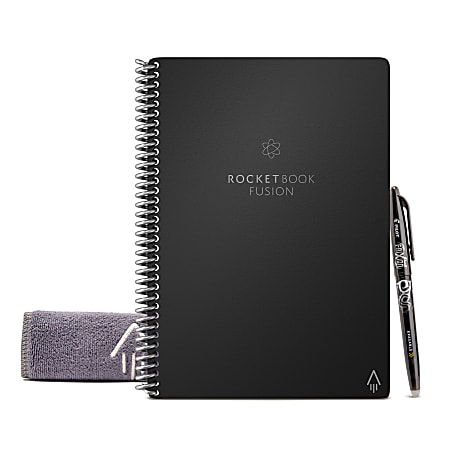
Are Smart Notebooks the Future of Note-Taking: Pros and Cons Explored?
In the digital age, smart notebooks have emerged as a revolutionary tool for note-taking, integrating technology with traditional writing practices. These devices allow users to write on paper while capturing digital copies of their notes, making it easy to organize and access information from anywhere. One of the most significant advantages of smart notebooks is their ability to sync with various applications, enabling users to store handwritten notes in the cloud. Moreover, features like searchability and digital sharing capabilities streamline collaboration, making them an attractive option for students and professionals alike. The seamless integration of handwritten notes with digital tools could very well position smart notebooks as the future of effective note-taking.
However, despite their benefits, smart notebooks come with a few drawbacks that potential users should consider. Firstly, the initial cost of purchasing a smart notebook can be significantly higher than traditional notebooks, making them less accessible for some users. In addition, reliance on technology for note-taking can lead to potential issues, such as battery life concerns and technical malfunctions. Furthermore, while some users initially embrace the hybrid format, they may find that the tactile experience of writing on paper cannot be fully replicated digitally. As with any innovation, it's essential to weigh the pros and cons before deciding if smart notebooks will indeed shape the future of note-taking.
Counter-Strike is a highly popular multiplayer first-person shooter game that pits teams of terrorists against counter-terrorists in objective-based gameplay. As players strategize and execute missions, they often rely on various tools to enhance their gaming experience. For students returning to school, incorporating gaming with effective tools and tech can be beneficial. Check out these Top 10 Back to School Tech Accessories to elevate your setup.
How Smart Notebooks Work: The Technology Behind the Innovation
Smart notebooks have revolutionized the way we take notes, merging traditional writing with cutting-edge technology. At the core of their functionality lies a combination of specialized paper and digitization technology. Users write on these notebooks using special pens or stylus, which capture the stroke and movements on the page. The paper is often embedded with microdots or digital patterns that track pen movements. This data is then transmitted to a connected device—such as a smartphone or tablet—through Bluetooth or a similar technology, allowing for seamless digitization of written notes.
Additionally, many smart notebooks come with dedicated applications that not only allow for storage but also enable further organization and editing of notes. Some applications offer features such as handwriting recognition, which converts handwritten notes into typed text, making them easily searchable. Furthermore, users can categorize their notes with tags, share them with collaborators, or even sync them to cloud storage services for added security. Overall, the integration of smart technology in these notebooks not only enhances the note-taking experience but also ensures that the information is efficiently organized and readily accessible.
Can Smart Notebooks Really Replace Traditional Pen and Paper Methods?
As technology continues to evolve, the question arises: can smart notebooks really replace traditional pen and paper methods? Smart notebooks offer a unique blend of digital convenience and the tactile experience of writing. They come equipped with features like cloud syncing, searchable handwritten notes, and the ability to organize content easily. With apps that digitize notes instantly, users can access their work from any device, ensuring that important information is never lost. However, the nostalgic appeal and simplicity of traditional pen and paper still resonate with many, making it essential to weigh the pros and cons of each method.
While smart notebooks provide impressive functionality, they may not entirely supplant the traditional methods that countless individuals have relied on for years. For instance, studies suggest that writing by hand can enhance memory retention, a benefit that some argue is diminished with digital note-taking. Can smart notebooks really replace traditional pen and paper methods in terms of creativity and focus? Many users find that the tactile nature of paper stimulates inspiration and helps eliminate distractions often caused by digital devices. As such, the choice between these two formats ultimately boils down to personal preference and specific use cases.