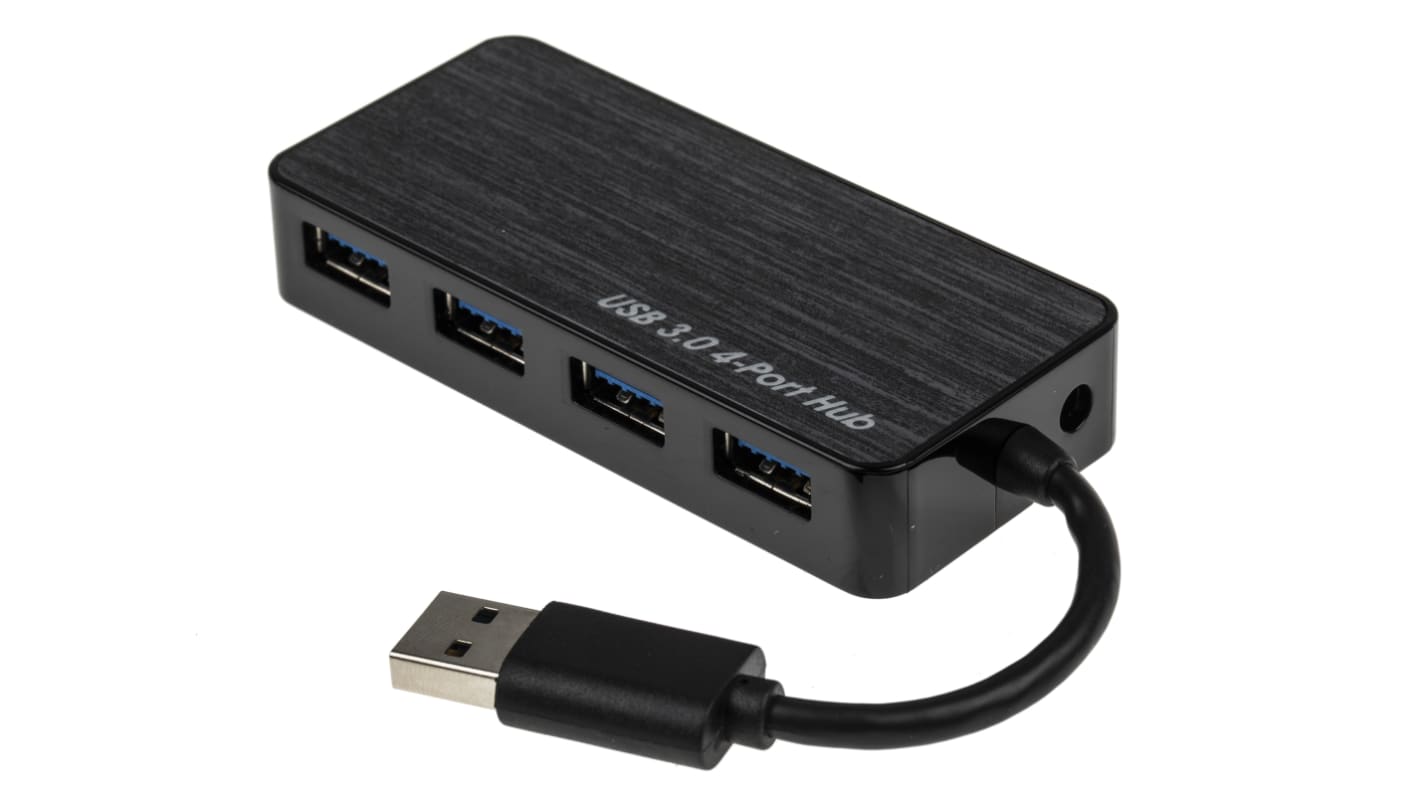
The Hidden Features of Your USB Hub: Unlocking Its Full Potential
When you think of a USB hub, you might only consider its primary function of expanding the number of ports available for your devices. However, these handy gadgets come with a plethora of hidden features that can significantly enhance your productivity. For instance, many USB hubs include built-in power management systems that allow you to charge multiple devices simultaneously without overloading your system. Additionally, advanced models offer data transfer speeds that can rival direct connections, enabling you to transfer large files swiftly and efficiently.
Another often-overlooked benefit of using a USB hub is its ability to serve as a central data management system. Some hubs incorporate smart features such as switching capabilities, enabling you to connect multiple devices while easily managing their connectivity. Furthermore, certain USB hubs come equipped with unique functionalities, such as individual on/off switches for each port, which can help conserve energy and prolong device life. By harnessing these hidden features, you can truly unlock the full potential of your USB hub and streamline your tech experience.
Counter-Strike is a popular tactical first-person shooter video game that has captivated millions of players worldwide. Known for its team-based gameplay and competitive nature, it pits terrorists against counter-terrorists in various objective-based scenarios. Whether you're a seasoned player or new to the game, it provides a thrilling experience that enhances strategic thinking and teamwork. If you're looking to improve your gaming experience, you might also want to check out the Top 10 iPad Accessories for Meetings.
USB Hub Maintenance Tips: Keeping Your Ports Healthy
Proper maintenance of your USB hub is essential for ensuring its longevity and functionality. Over time, dust and debris can accumulate in the ports, leading to poor connectivity and potential damage to your devices. To prevent these issues, regularly check and clean your USB hub using a soft, dry cloth or compressed air. Make it a habit to disconnect devices when not in use, as this reduces wear on the ports and avoids potential overheating.
An important aspect of USB hub maintenance is managing the number of devices connected simultaneously. Excessive use can overload your hub, causing malfunctions or slower performance. To optimize your hub's effectiveness, consider these tips:
- Limit connected devices to the hub's rated capacity.
- Use high-quality USB cables to ensure stable connections.
- Periodically check for firmware updates to enhance performance.
By following these maintenance tips, you can keep your USB hub healthy and prolong its lifespan.
What Happens Inside Your USB Hub? A Peek at the Technology
A USB hub is a convenient device that allows multiple USB devices to connect to a single port on your computer or laptop. Inside every USB hub, there are key components that facilitate the transfer of data and power. The most crucial element is the USB controller, a chip responsible for managing the connections. This controller organizes data packets, ensuring that each device receives the necessary power and responds correctly to the host computer's requests. Additionally, most USB hubs contain power management circuits that help distribute power evenly across connected devices, which is essential for devices that require more energy, like external hard drives.
Furthermore, a USB hub typically employs a series of data lines and power lines that internally connect the ports to the controller. When you plug a device into the hub, the controller identifies it through a process known as bus enumeration, allocating the appropriate resources for it to function. Most modern USB hubs support USB 3.0 and even USB-C standards, which allow for faster data transfers and charging capabilities. In summary, while USB hubs may seem like simple extensions of ports, the technology inside is quite complex, ensuring efficiency and reliability for various devices.