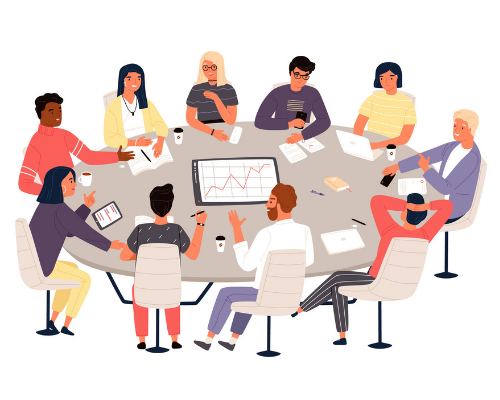
Maximizing Meeting Efficiency: Strategies for Effective Time Management
Meetings can often become a significant time drain if not managed properly. To maximize meeting efficiency, it is essential to establish a clear agenda prior to the meeting. This agenda should outline the key topics to be discussed and allocate time for each item, ensuring that participants remain focused and on track. Additionally, consider implementing a few strategies to enhance time management during these sessions:
- Set Specific Objectives: Define what you aim to achieve by the end of the meeting.
- Limit Attendance: Only invite those individuals whose input is crucial to the agenda.
- Designate a Timekeeper: Assign someone to monitor the time spent on each agenda item.
Another vital aspect of effective time management is to encourage active participation while maintaining order. You can do this by introducing a round-robin format for sharing ideas, ensuring that everyone has a chance to contribute without dominating the discussion. Also, consider using technology to facilitate remote participation, which can improve attendance and engagement. Finally, always end meetings with a recap of key decisions made and action items assigned, ensuring that everyone is clear on their responsibilities and deadlines. This approach will not only enhance accountability but also contribute to overall time effectiveness in future meetings.
Counter-Strike is a highly popular team-based first-person shooter game, known for its tactical gameplay and competitive environment. Players can choose between two teams, terrorists and counter-terrorists, and engage in various game modes and maps. To enhance your gaming experience, consider the Top 10 Earbuds for Meetings, which can provide excellent audio quality and comfort during intense gaming sessions.
The Art of Time-Traveling: How to Transform Ordinary Meetings into Productive Sessions
Time-traveling through the mundane routine of meetings can transform these ordinary sessions into extraordinary opportunities for productivity. The Art of Time-Traveling begins with rethinking the structure and purpose of your gatherings. Start by defining a clear agenda and setting specific objectives to guide the conversation. Utilize interactive formats such as breakout sessions or brainstorming activities that encourage collaboration and innovation. This proactive approach not only increases engagement but also allows participants to 'travel' into a future of actionable plans and ideas.
Moreover, turning meetings into productive sessions requires the adoption of effective tools and techniques. For instance, implementing time management strategies like the Pomodoro Technique can ensure that discussions remain on track and that time is utilized wisely. Additionally, adopting collaborative technology, such as digital whiteboards and shared documents, will create a space for real-time feedback and ideation. By mastering The Art of Time-Traveling, you can transcend the limitations of traditional meetings and foster a culture of continuous improvement and strategic thinking.
Are Your Meetings Wasting Time? Tips to Optimize Engagement and Outcomes
In today's fast-paced business environment, it's crucial to assess whether your meetings are truly effective or simply wasting time. Many organizations fall into the trap of holding frequent meetings without considering their purpose or desired outcomes. To optimize engagement and ensure meaningful discussions, start by setting a clear agenda before each meeting. This not only provides structure but also allows participants to prepare in advance, leading to more productive conversations. Additionally, establish ground rules for participation, such as encouraging everyone to contribute and limiting interruptions, fostering an inclusive atmosphere.
Another key tip to enhance your meeting effectiveness is to leverage technology. Utilize virtual collaboration tools that allow for real-time feedback and engagement, enabling remote team members to participate fully. After your meetings, it's beneficial to send out a summary highlighting action items, decisions made, and responsibilities assigned. This not only reinforces accountability but also ensures that all participants are on the same page moving forward. By implementing these strategies, you can dramatically reduce wasted time in meetings and improve overall outcomes, leading to a more efficient and engaged workforce.