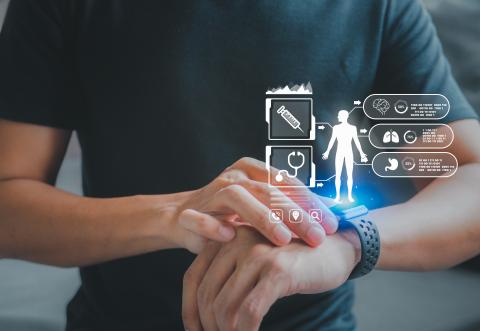
How Wearable Technology is Evolving: The Next Steps in Personal Tech
The world of wearable technology is rapidly evolving, moving beyond just fitness trackers and smartwatches. Innovations such as smart glasses and health-monitoring apparel are paving the way for a more integrated and personalized experience. As technology progresses, we are witnessing the incorporation of advanced features like biometric sensors, augmented reality (AR), and even artificial intelligence (AI). These advancements enhance user interaction and provide valuable insights into personal health and lifestyle choices, making wearables more indispensable in our daily lives.
Looking ahead, the next steps in personal tech will likely focus on improving connectivity and interoperability across devices. This could involve the development of a unified platform that allows seamless data sharing between multiple wearables, creating a holistic view of an individual’s health and activity levels. Companies are also exploring the integration of 5G technology to enable real-time data processing and communication. As these developments unfold, the future of wearable technology promises not only to enhance personal health management but also to redefine the way we interact with the world around us.
Counter-Strike is a popular series of multiplayer first-person shooter games that pits two teams against each other: the Terrorists and the Counter-Terrorists. Players engage in various objective-based scenarios such as bomb defusal or hostage rescue, emphasizing teamwork and strategy. If you're looking for comfort during those long gaming sessions, check out the Top 10 Apple Watch Bands for Sleep. The game has evolved significantly since its inception, with various iterations like Counter-Strike: Global Offensive, which has become a staple in the esports community.
What Does It Mean for Devices to 'Wear You Back'?
The phrase ‘wear you back’ refers to the phenomenon where wearable devices, such as smartwatches and fitness trackers, not only monitor your health and activity levels but also actively engage with you in a way that influences your behavior and lifestyle choices. These devices collect data about your movements, heart rate, and overall well-being, providing insights that can help you improve your lifestyle. However, a crucial aspect of this interaction is how they can also create a dependency on the feedback they provide. For instance, a device that alerts you when you're not meeting your exercise goals can be beneficial, but it may also lead to an obsession with achieving those metrics, blurring the line between motivation and pressure.
In essence, when devices ‘wear you back’, they offer not only personalized recommendations based on your data but also require a degree of commitment and engagement from your side to reap the benefits. This relationship can lead to a more health-conscious lifestyle, as users become more aware of their habits and patterns. Nevertheless, it's vital to strike a balance to avoid feeling overwhelmed or dictated by the device. Just as the technology aims to enhance your well-being, ensuring it doesn’t become a source of stress is equally important. Therefore, understanding the impact of these devices on your daily life is essential for making them a positive force in your personal health journey.
Exploring the Benefits and Challenges of Biometric Wearables
The rise of biometric wearables has transformed the health and fitness landscape, offering individuals unprecedented insights into their physiological metrics. These devices track various data points such as heart rate, sleep patterns, and activity levels, allowing users to monitor their health more effectively than ever before. Benefits of these wearables include enhanced self-awareness, motivation for a healthier lifestyle, and the ability to set and track personal fitness goals. Moreover, the integration of biometric data with other health applications provides a comprehensive view of one’s health, enabling users and healthcare professionals to make informed decisions.
However, alongside these advantages, the adoption of biometric wearables comes with its own set of challenges. Privacy concerns are paramount, as the continuous collection and storage of sensitive health information raise questions about data security and ownership. Additionally, users may face issues related to accuracy and reliability, as the performance of these devices can vary based on factors such as user error or technological limitations. Understanding these challenges is crucial for individuals considering biometrics as a tool for health management, as it enables a balanced perspective for maximizing their benefits while mitigating potential risks.